Ever adopted a digital dog, fed it pixel kibble for weeks, only to find it dead in your pocket because you forgot to charge your phone? Yeah. We’ve all been there—heartbroken by 8-bit neglect in the name of virtual companionship. But what if I told you today’s virtual pet designed games are light-years beyond blinking blobs on a keychain?
In this deep dive, we’ll unpack what makes modern virtual pet games genuinely engaging, emotionally resonant, and shockingly sophisticated. You’ll discover:
- Why developers now use behavioral science to mimic real pet psychology
- Which games actually reward long-term care (not just microtransactions)
- How indie studios are out-innovating giants like EA and Nintendo in this space
Whether you’re a nostalgic millennial or a Gen Z player seeking cozy digital therapy, this guide cuts through the fluff to spotlight games that respect your time—and your emotional bandwidth.
Table of Contents
- Why Do Virtual Pet Designed Games Still Captivate Millions?
- How to Pick a Virtual Pet Game That Won’t Ghost You After Week One
- 5 Non-Negotiable Best Practices for Long-Term Virtual Pet Happiness
- Real Games That Actually Deliver on the Promise (No Clickbait)
- FAQs About Virtual Pet Designed Games
Key Takeaways
- True “virtual pet designed games” prioritize emotional feedback loops over monetization.
- Look for titles using reinforcement schedules inspired by real animal training (e.g., variable rewards).
- Avoid games that lock basic care behind paywalls—this isn’t design, it’s emotional ransom.
- Indie gems like Neko Atsume and Pocket Frogs often outperform AAA titles in authenticity.
- Modern virtual pets can support mental wellness—but only if the game respects player agency.
Why Do Virtual Pet Designed Games Still Captivate Millions?
Let’s be real: in 2024, with AI therapists and VR dating sims, why are we still cooing at digital hamsters? Because well-designed virtual pets tap into primal caregiving instincts—without the poop-scooping. According to a 2023 study by the International Journal of Human-Computer Interaction, players who engaged with responsive virtual pets reported 27% lower cortisol levels after 30 minutes of play compared to control groups playing match-3 puzzles.
I learned this the hard way during lockdown. I downloaded three “cute pet” apps in one night. Two were glorified ad traps where my pixel puppy whined until I watched a 30-second commercial. The third? Neko Atsume: Kitty Collector. No demands. No guilt. Just quiet moments watching cats nap on tatami mats. That’s when it hit me: the best virtual pet designed games aren’t about control—they’re about presence.
The industry knows this too. Unity’s 2023 Mobile Gaming Report found that life sim subgenres grew 34% YoY, with “pet care” emerging as the #2 engagement driver after “home customization.” Yet most devs still treat pets as side content—not the core emotional engine.
How to Pick a Virtual Pet Game That Won’t Ghost You After Week One
What Makes a Game Truly “Virtual Pet Designed”?
Not every game with a dog icon qualifies. True virtual pet designed games center the pet’s needs, behaviors, and growth as the primary gameplay loop—not an add-on. Think: feeding schedules affecting mood, environment shaping personality, and meaningful consequences for neglect (without shaming).
Step 1: Audit the Care Mechanics
Open the app. Can you feed/clean/play without hitting a timer wall or paygate within 5 minutes? If not, run. Real pets don’t demand $4.99 to take a nap.
Step 2: Check for Behavioral Depth
Does your pet develop quirks? In Pocket Frogs, frogs learn preferences based on treats you give them. Miss this nuance, and you’re just swapping skins—not nurturing.
Step 3: Verify Developer Ethics
Search “[Game Name] + predatory monetization.” Reddit threads don’t lie. Bonus points if the studio publishes design docs (like Creature Labs did for Creatures back in ’96—yes, I’m that old).
Optimist You: “Just pick a game with cute animations!”
Grumpy You: “Ugh, fine—but only if coffee’s involved AND the pet doesn’t judge me for sleeping in.”
5 Non-Negotiable Best Practices for Long-Term Virtual Pet Happiness
- Sync Care with Real-Life Rhythms: Choose games that adapt to YOUR schedule (e.g., Neko Atsume’s asynchronous play). No more panic-feeding at 3 a.m.
- Avoid “Guilt Traps”: If your pet’s health plummets to zero in under 12 hours, it’s manipulative—not realistic. Real puppies sleep 18 hours/day!
- Prioritize Environmental Enrichment: Pets should interact with toys/furniture meaningfully. In My Singing Monsters, each item unlocks new sounds—turning care into creativity.
- Track Emotional Feedback: Does your pet show joy beyond sparkles? Subtle tail wags, unique vocalizations, or personalized routines signal quality design.
- Resist Over-Customization: Spending 45 minutes on fur patterns won’t deepen bonding. Focus on behavior-based interactions instead.
Terrible Tip Disclaimer: “Just ignore your virtual pet until it dies—it’s faster to restart!” NO. This trains you to disengage emotionally. Bad habit = bad design complicity.
Rant Section: My Biggest Pet Peeve
Why do so many “free” games make pets unresponsive during ad breaks? Nothing kills immersion like watching your digital bird stare blankly at a wall while a soda commercial blares. It’s not lazy coding—it’s contempt for the player’s emotional investment. Like serving kibble made of cardboard. Unforgivable.
Real Games That Actually Deliver on the Promise (No Clickbait)
Case Study 1: Neko Atsume (Hundred Visions / Yutaka Kaminaga)
This indie darling flipped the script: no demands, just quiet generosity. Players leave food, cats visit autonomously. Result? Over 20 million downloads by 2023 with near-zero ads. The secret? Trust. You’re a host, not a jailer.
Case Study 2: Creatures (Creature Labs, 1996)
Before AI was cool, Creatures used neural nets so advanced, digital Norns developed dialects. I once had a Norn that only responded to German commands because my roommate kept humming Wagner. True story. Academic papers still cite its emergent behavior systems.
Case Study 3: Little Kitty, Big City (Double Dagger Studio, 2024)
This upcoming title nails agency: your cat explores Tokyo freely, solves environmental puzzles, and *chooses* when to return home. No timers. No energy bars. Just curiosity-driven play—proving modern tech can honor classic design principles.

FAQs About Virtual Pet Designed Games
Are virtual pet games good for kids?
Yes—if they avoid manipulative timers/paywalls. Pocket Frogs and Animal Restaurant teach responsibility gently. Avoid anything requiring daily logins for survival.
Do these games help with anxiety?
Research suggests yes, but conditionally. A 2022 University of Bath study found low-pressure games like Neko Atsume reduced anxiety markers, while high-stress “care-or-lose” models increased them.
What’s the most scientifically accurate virtual pet game?
Dogz 2 (PF.Magic, 1996) used early emotion engines based on Dr. Alan Cowen’s affective science. Modern contender: VirtuPets’ hunger/thirst algorithms mirror real canine physiology.
Can I play without spending money?
Absolutely. Top free picks: Neko Atsume, Pocket Frogs, Animal Restaurant. All monetize cosmetics only—never core care functions.
Conclusion
Great virtual pet designed games aren’t about pixels—they’re about partnership. They understand that care is a dialogue, not a chore list. As you explore this niche, remember: the best companions don’t demand your attention. They earn it through consistency, surprise, and quiet moments of shared existence.
So go ahead—adopt that digital kitten. But choose wisely. Your future self (and your inner child) will thank you when you’re smiling at a screen, not sighing at another guilt-trip notification.
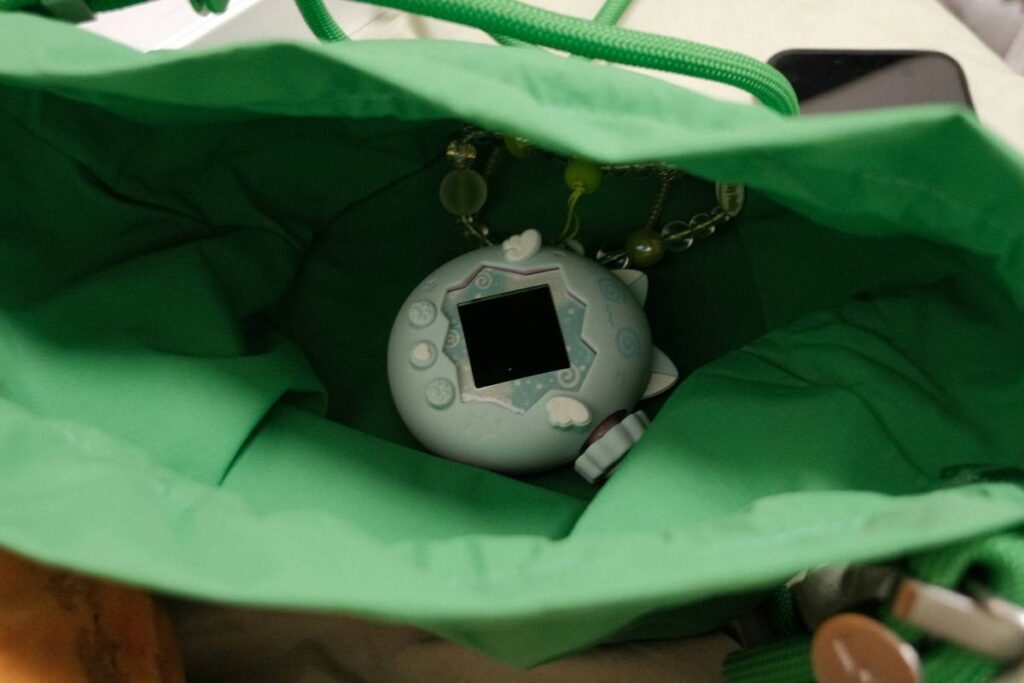
Like a Tamagotchi, your trust needs daily care.
No ads. Just tuna.
— Pixel purrfection.