Most families jump into virtual pet games expecting instant bonding—and end up with bored kids, forgotten avatars, and wasted screen time. The problem isn’t the genre—it’s how you play it. When approached like a checklist, virtual pet games feel shallow. But treat them like collaborative storytelling? That’s where magic happens. Here’s how to turn pixels into shared family moments—without burning out.
Why Most Family Virtual Pet Games Fail Within a Week
Developers design these games for solo play, not co-op dynamics. Notifications ping one device. Progress hinges on individual routines. And kids lose interest when “feeding” feels like homework—not play.
And here’s the kicker: most parents don’t realize virtual pets thrive on unpredictability, not rigid schedules. Real pets aren’t fed at exactly 7:03 a.m.—they respond to mood, chaos, and spontaneity. Digital ones shouldn’t be any different.
family game virtual pet how to: A Step-by-Step Framework for Real Engagement
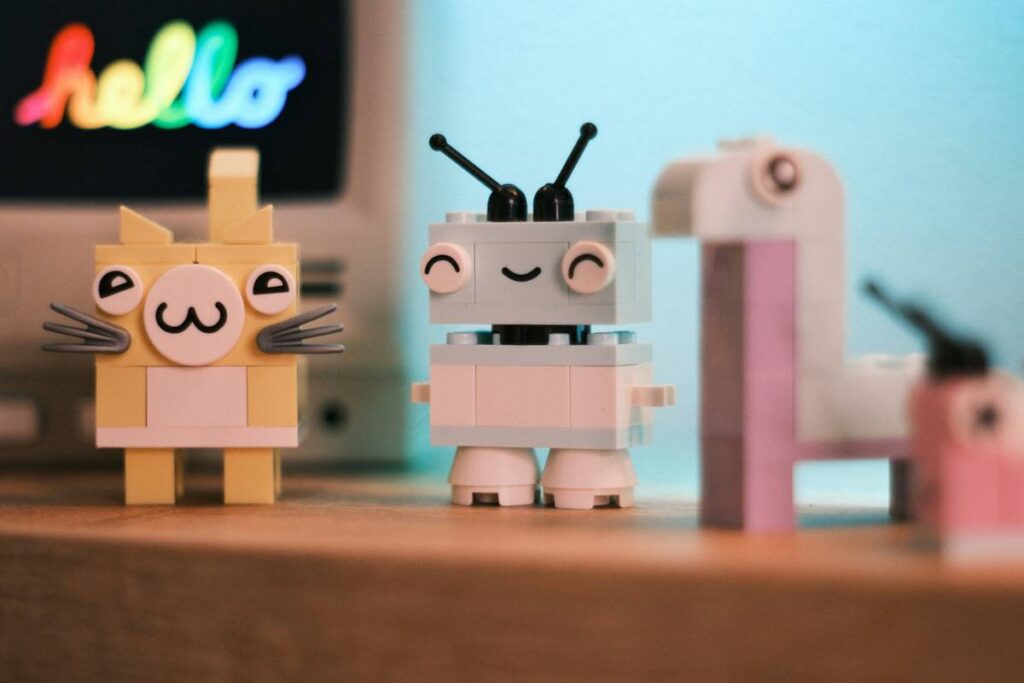
Forget “set it and forget it.” Build a living ecosystem together. Assign rotating roles. Invent backstories. Let your digital cat adopt a tiny robot friend only Grandma can unlock during her weekly call.
Choose the Right Game Together—Not For Them
Let each family member pitch one title. Vote based on shared values: creativity over grinding, narrative over ads. Niche indie sims often beat big-budget apps here.
Co-Create the Pet’s Personality
Is your virtual dog anxious around thunderstorms? Does your pixel parrot quote Shakespeare when fed blueberries? These quirks become inside jokes—and emotional anchors.
Schedule “Unscheduled” Care Rituals
Yes, that’s intentional. Designate three 10-minute “surprise care windows” weekly—anyone can trigger them. Missed Tuesday’s? Double points on Friday. Flexibility breeds consistency.
| Approach | Typical Outcome | Family-Centric Fix |
|---|---|---|
| Solo daily logins | Kid loses access → pet “dies” → guilt & quit | Shared cloud save + role rotation (e.g., “Hydration Hero” this week) |
| Chasing leaderboards | Competition kills joy; younger kids disengage | Invent family-only achievements (“Best Midnight Snack Combo”) |
| Passive observation | Pet becomes background noise | Weekly “Pet Council” meeting: What does Fluffball want to learn next? |

The Industry Secret No App Store Description Will Tell You
Top simulation studios quietly embed “chaos variables”—hidden algorithms that reward irregular interaction patterns. Feed your pet at 3 a.m. twice in a row? It might develop nocturnal habits. Skip grooming but play fetch? Fur gets messy but loyalty spikes.
But here’s what they won’t say: these systems activate only when multiple accounts interact with the same pet profile. Solo players never see the depth. Multi-account households? They’re playing a completely different game—one built for emergent storytelling, not checklists. So link those Apple IDs. Share that Google Play family library. Make the AI think your household is one chaotic, loving unit.

Frequently Asked Questions
Can young kids really contribute meaningfully?
Absolutely. Assign tactile roles: “sound effect director” (makes barking noises during walks) or “treat selector” using emoji stickers. Agency matters more than screen time.
What if we miss several days?
Don’t reset—adapt. Have a family vote: Does the pet run away temporarily? Get adopted by a quirky neighbor? Absence becomes plot, not failure.
Are free virtual pet games safe for families?
Many are—but audit permissions first. Avoid anything requesting contacts or location. Prioritize offline-capable titles. Paid indies often offer richer, ad-free co-play.