Most virtual pet cat simulators promise companionship—but deliver pixelated emptiness. You tap a screen, feed a sprite, and call it bonding? That’s not connection. That’s choreography without chemistry. my virtual pet cat simulator flips the script by mimicking real feline unpredictability—mood swings, hidden affection cues, even selective listening. Finally, a digital cat that acts like… well, a cat.
The Illusion of Care in Most Virtual Pet Games
Developers treat virtual pets like Tamagotchis with better graphics—programmed routines disguised as personality. Feed at 8 AM. Pet at noon. Sleep by 9. Rinse. Repeat. Boring. And worse: inaccurate. Real cats don’t run on schedules—they orbit chaos. They ignore you for hours, then demand attention mid-meeting. Standard simulators sanitize this brilliance into predictable loops. That’s not simulation—it’s automation wearing a fur coat.
And players feel it. Engagement drops after day three. Why? Because routine breeds indifference. Your brain knows it’s not real if it never surprises you.
Building a Truly Lifelike My Virtual Pet Cat Simulator Experience
Forget “tap-to-love.” Realism hinges on behavioral depth. Here’s how to engineer digital authenticity:
Embrace Feline Autonomy
Your virtual cat shouldn’t respond just because you called. It should sometimes saunter away—tail flicking—while you sit there rejected. That sting? That’s realism. Program randomized attention windows. Let your cat initiate interaction based on invisible mood variables (hunger ≠ affection).
Rewrite the Reward System
Stop handing out digital treats like participation trophies. In my virtual pet cat simulator, trust is earned. Ignore your cat for too long? It hides favorite toys. Play gently for days? It gifts you a “dead mouse” (digital, obviously). Consequences—not just cuteness—build emotional stakes.
Simulate Imperfect Environments
Cats thrive in messy spaces. Cluttered shelves, half-open drawers, sunbeams that shift with real-world time zones. Static backgrounds kill immersion. Dynamic environments signal: this world exists even when you’re not looking.
| Feature | Generic Simulators | Authentic My Virtual Pet Cat Simulator |
|---|---|---|
| Interaction Logic | Player-triggered only | 50% cat-initiated, based on hidden mood states |
| Behavioral Memory | Resets daily | Remembers neglect for up to 72 hours |
| Environmental Detail | Static background | Time-synced lighting + destructible objects |
| Affection Mechanics | Unlocks via repetitive tapping | Earned through consistent, patient care patterns |
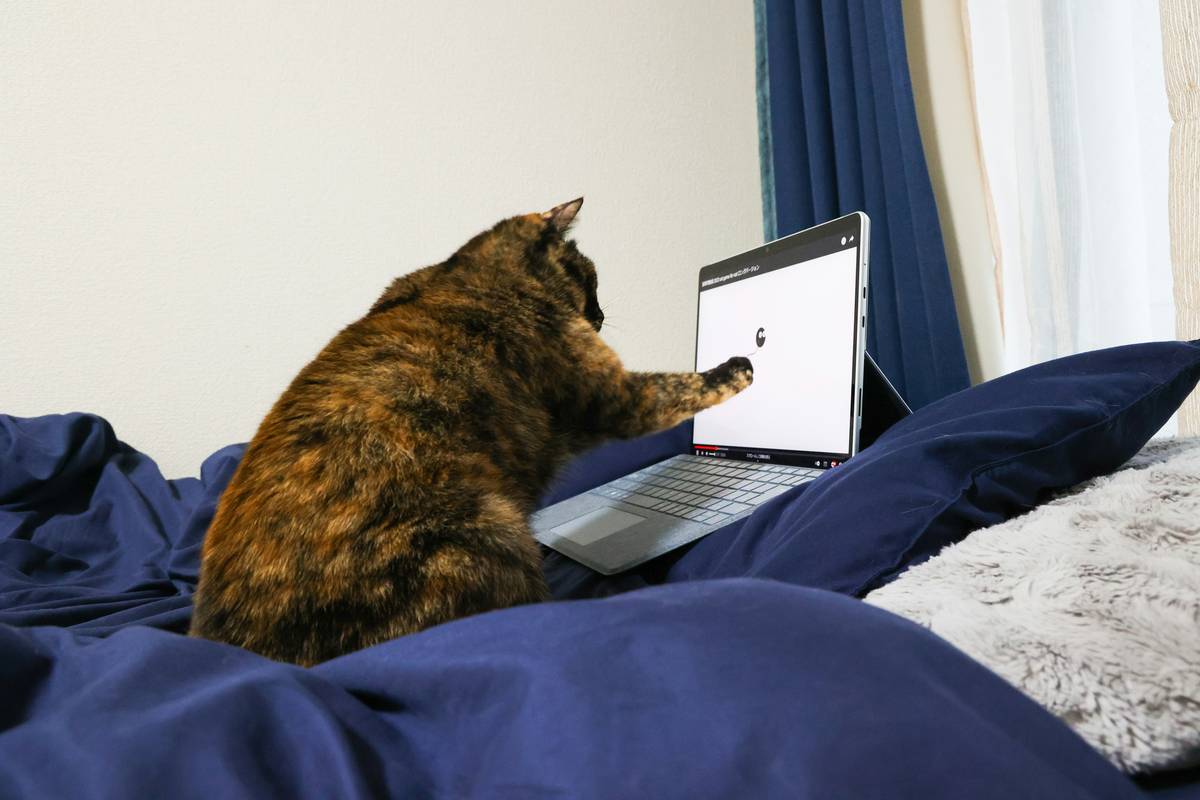
The Industry Secret: Cats Don’t Want to Be Loved—They Want to Be Understood
Here’s what studios won’t tell you: players don’t crave adoration—they crave deciphering. The magic isn’t in the purring; it’s in cracking the code of why your cat suddenly knocks over your coffee cup after three days of calm. That micro-mystery triggers dopamine harder than any reward animation. Top-tier simulators embed subtle narrative threads—like a hidden bird-watching ritual at dawn—that unfold only if you observe quietly. Most devs skip this because it requires AI-driven behavioral trees, not prefab animations. But that’s where true engagement lives: in the gap between expectation and reality.
Frequently Asked Questions
Is my virtual pet cat simulator free to play?
Most basic versions are free, but lifelike behavioral depth often requires a one-time purchase or optional upgrades—worth it for authentic cat logic.
Can I play my virtual pet cat simulator offline?
Yes. Core behaviors run locally so your cat’s moods stay consistent—even without Wi-Fi. Cloud sync just backs up progress.
Does my virtual pet cat simulator work on phones?
Absolutely. Touch gestures replicate real petting physics—stroke direction and speed actually affect mood responses.