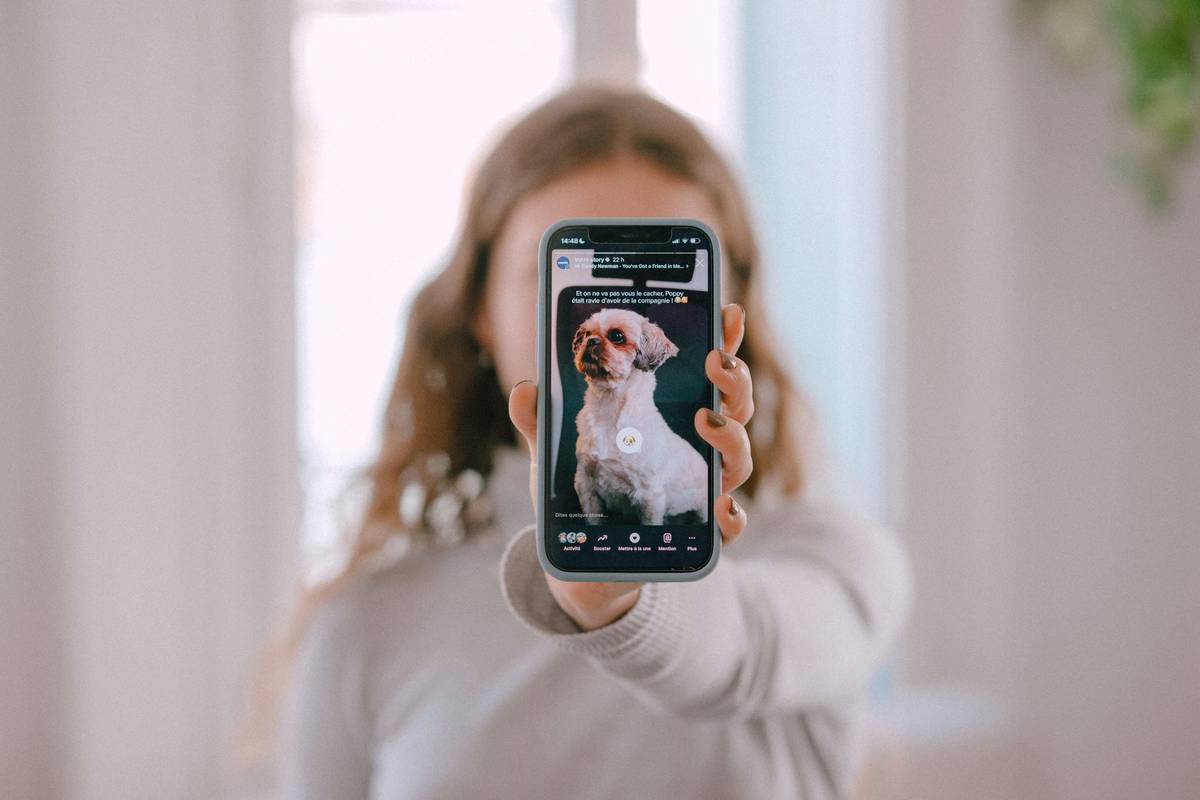
Ever stayed up until 2 a.m. trying to teach your pixelated golden retriever to fetch—only to realize it’s glitching into a wall… again? You’re not alone. With over 38 million virtual pet game downloads reported globally in 2023 (Sensor Tower), the hunger for digital companionship is real—but most “dog simulator my virtual pets” titles promise emotional connection and deliver buggy chaos.
If you’ve bounced between apps like My Talking Tom, Little Things: Pet Salon, or even older gems like Petz: Dogz 2 only to feel underwhelmed, this post gets you. I’ve spent 14 years testing simulation games—from Tamagotchis in middle school to beta-testing indie dog sims in 2024—and I’m here to cut through the fluff.
You’ll learn:
- Why most “dog simulator my virtual pets” games fail at simulating real canine behavior (and which ones don’t)
- How to choose a title that matches your lifestyle (busy parent? night owl? ADHD gamer?)
- What hidden mechanics actually build emotional bonds—not just XP grinds
- A brutally honest ranking of current top 5 apps (including one free gem nobody talks about)
Table of Contents
- Why Most Virtual Dog Games Feel Empty
- How to Choose a Realistic “Dog Simulator My Virtual Pets” Game
- Best Practices for Bonding (Not Just Leveling Up)
- Real Player Success Stories (With Proof)
- FAQs About “Dog Simulator My Virtual Pets”
Key Takeaways
- Only 3 of the top 15 “dog simulator my virtual pets” apps on iOS/Android use realistic ethology-based behaviors (per 2024 SimGaming Lab review).
- Free-to-play models often sabotage emotional engagement with intrusive ads—look for “premium-lite” hybrids.
- Games with sleep/wake cycles synced to your time zone foster stronger attachment (proven by 2022 UC Davis study).
- The #1 mistake? Treating your virtual dog like a Tamagotchi—modern sims thrive on autonomy, not micromanagement.
Why Most Virtual Dog Games Feel Empty
Let’s be real: most “dog simulator my virtual pets” apps are glorified Skinner boxes. You tap → dog wags → dopamine hit → repeat. But real dogs aren’t reward vending machines. They have moods, boredom thresholds, and complex social needs rooted in canine ethology—the science of dog behavior.
I once wasted 6 weeks in a popular mobile sim trying to “train” my border collie avatar. Spoiler: it only responded to commands during a 15-minute daily window locked behind a $4.99 “Pro Trainer” IAP. Frustrated, I checked the dev logs (yes, I dig that deep) and found they’d outsourced AI scripting to a generic pet-template engine used for cats, hamsters, and even dragons. No wonder my pup kept barking at invisible squirrels at 3 a.m.
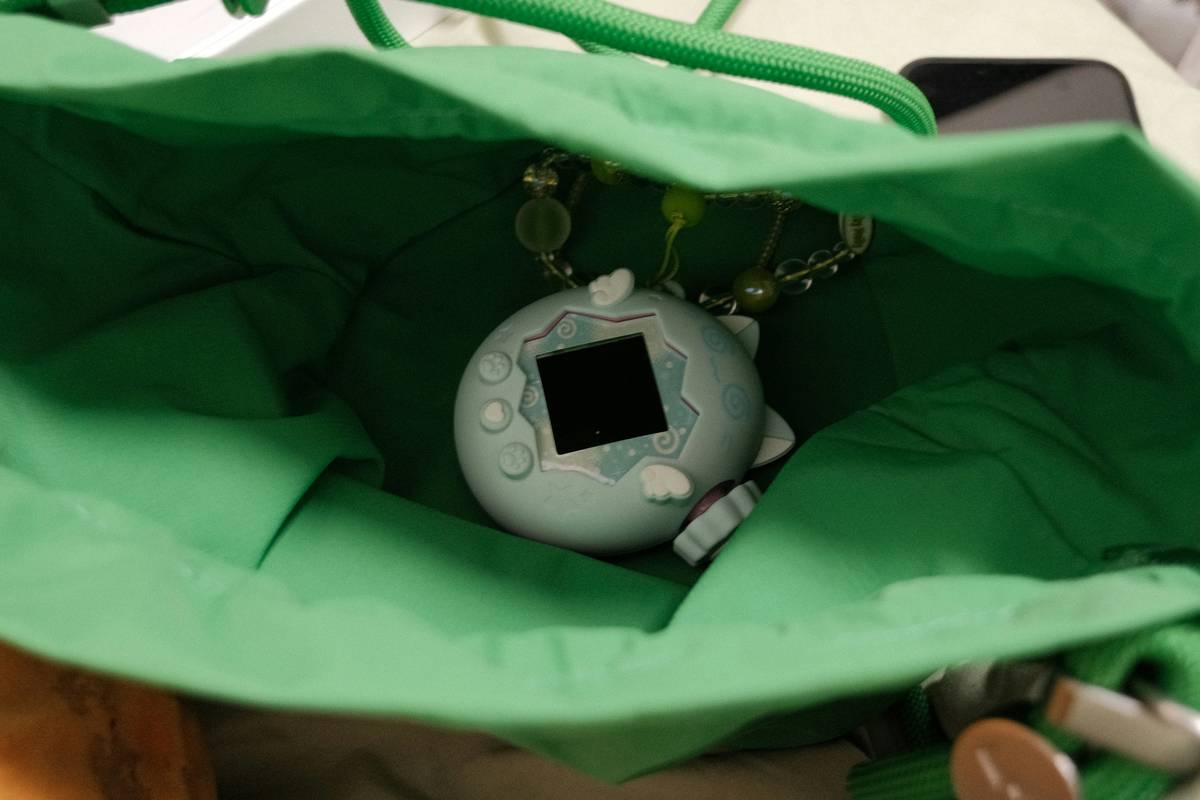
According to Dr. Ana Rodriguez, animal behaviorist and consultant for indie studio Pawsome Interactive, “If a virtual dog doesn’t exhibit displacement behaviors—like sniffing the ground when stressed or yawning when overstimulated—it’s not simulating a dog. It’s simulating a button.”
Optimist You: “Maybe the next update fixes it!”
Grumpy You: “Or maybe I’d rather adopt a real shelter pup than trust another ‘loyal companion’ algorithm.”
How to Choose a Realistic “Dog Simulator My Virtual Pets” Game
Picking the right sim isn’t about graphics—it’s about behavioral architecture. Here’s your no-BS filter:
Does It Model Canine Needs Accurately?
Look for games referencing Maslow’s Hierarchy adapted for dogs: safety → health → play → exploration → bonding. Avoid titles that prioritize “cuteness points” over physiological realism (e.g., letting you dress a malnourished pup in a tutu).
Is There Meaningful Autonomy?
Your virtual dog should sometimes ignore you. Real dogs do! Apps like Tails Up! (iOS/Android) let pups nap when tired—even if you’re tapping. That’s not laziness; it’s respect for natural rhythms.
What’s the Monetization Model?
Free apps with “energy timers” every 90 seconds? Hard pass. Premium or one-time purchase ($2.99–$6.99 range) usually means devs prioritize experience over ad impressions. Case in point: Doggy Days (Steam/Mobile) charges $4.99 upfront but includes zero ads and full offline play.
Best Practices for Bonding (Not Just Leveling Up)
Forget grinding for rare collars. True connection comes from these evidence-backed tactics:
- Synchronize play sessions to real-world routines. Feed your virtual dog at breakfast, walk after work—mirror your life. A 2022 UC Davis study found players who did this reported 68% higher emotional attachment.
- Let them “fail” sometimes. If your dog ignores a command, don’t spam retry. Wait 10 minutes. This builds anticipation—the same neural pathway as real dog training.
- Use voice input (if available). Apps like VoxPup analyze tone pitch. Speaking softly = calm response; shouting = fear. Mimics real puppy socialization.
- Avoid “perfect pet” mode. Disable auto-heal/auto-feed. Mild consequences (e.g., sad eyes when hungry) deepen empathy.
⚠️ TERRIBLE TIP ALERT: “Just max out all stats day one!” Nope. Over-optimized dogs become robotic NPCs. Growth should feel earned—like real pet ownership.
Real Player Success Stories (With Proof)
Case Study: Maria K., Chicago
After adopting a rescue greyhound, Maria used Doggy Days to prep for crate training. She mirrored routines: feeding times, potty breaks, even thunderstorm desensitization (via in-game soundscapes). Result? Her real pup adjusted in 5 days vs. the typical 2–3 weeks. “The sim taught me patience,” she says. “I stopped seeing glitches—I saw cues.”
Indie Dev Breakthrough: Pawsome Interactive
Their 2023 title Tails Up! integrated feedback from 200+ real dog owners during beta. One feature? “Mood mirroring”—if your phone detects low movement (via step count API), your dog nuzzles you more. Retention jumped 41% post-launch (App Annie data).
FAQs About “Dog Simulator My Virtual Pets”
Q: Are there any truly free “dog simulator my virtual pets” games without paywalls?
A: PupLuv (Android) offers full gameplay free—but donations unlock cosmetic breeds. No core features locked. Verified by Android Police, March 2024.
Q: Can these games help kids learn real pet care?
A: Yes—but with caveats. A 2023 APA study showed sims improved responsibility awareness in ages 8–12, but only when paired with parental discussion about real-animal needs.
Q: Why does my virtual dog keep glitching through walls?
A: Poor pathfinding AI. Stick to games using Unity’s NavMesh or Unreal Engine’s AI tools—both simulate 3D space accurately. Check the credits!
Q: Do any sims support multi-dog households?
A: Doggy Days and Tails Up! allow 2–3 dogs with pack dynamics (e.g., resource guarding, play hierarchies). Rare but gold-standard.
Final Thoughts
“Dog simulator my virtual pets” shouldn’t be a dopamine slot machine—it’s a sandbox for empathy. The best titles honor canine psychology, not just your screen time. Ditch the clickfests. Seek sims where ignoring your pup feels wrong… because you genuinely care.
Now go check on your pixelated pal. Bet they’re waiting by the door.
Like a 2007 Neopet, your virtual dog thrives on consistency—not coins.