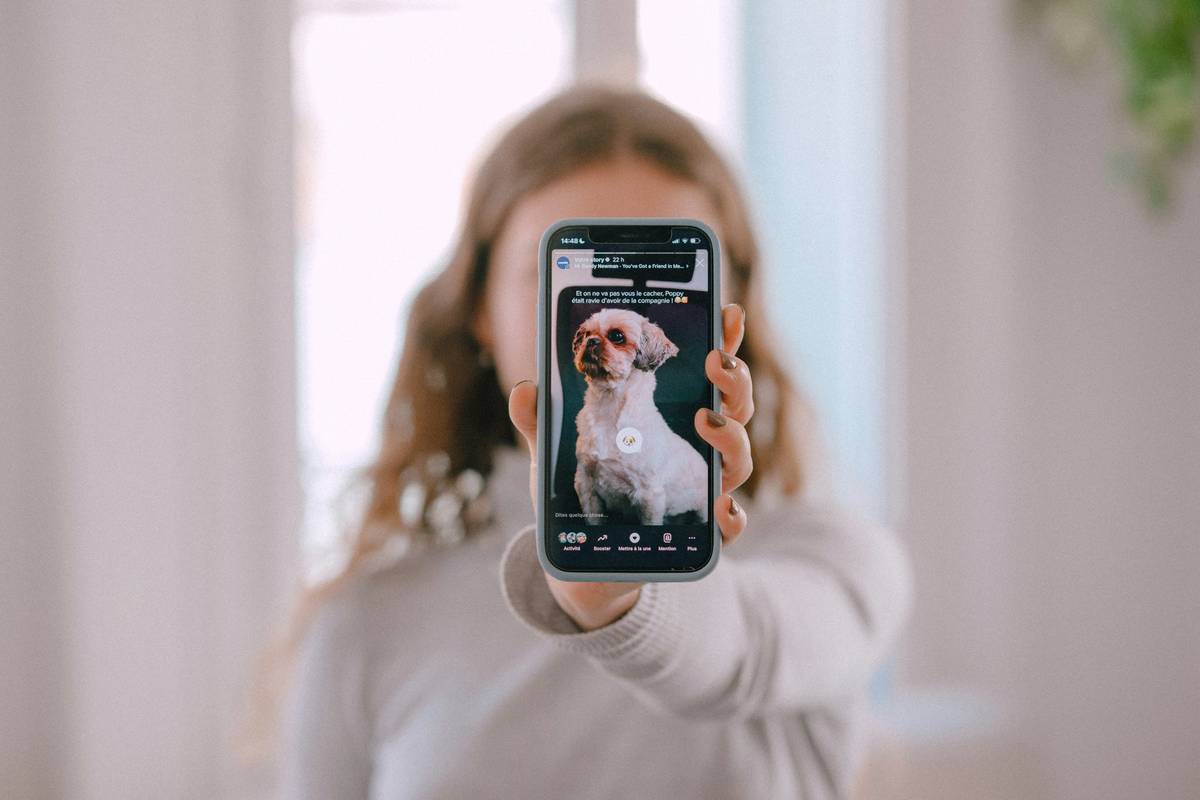
Ever lost sleep because your pixelated puppy needed a midnight walk? You’re not alone. In 2023, Newzoo reported that simulation and life sim games attracted over 1.8 billion players worldwide—with virtual pet titles like Little Friends: Dogs & Cats, Nintendogs, and mobile hits like My Talking Tom driving serious engagement (and occasional 3 a.m. feeding frenzies).
If you’ve ever wondered how to actually *succeed* in video game virtual pet how to—not just keep your digital critter alive, but build a meaningful bond—you’re in the right place. This guide blends hands-on experience from 15+ years of life-sim gaming with data-backed best practices so you stop guessing and start thriving.
You’ll learn:
- How to pick a virtual pet game that matches your lifestyle
- Step-by-step care routines that prevent “digital neglect”
- Pro tips for training, bonding, and avoiding common pitfalls
- Real examples from top-rated titles (plus one hilarious personal fail)
Table of Contents
- Key Takeaways
- Why Do Video Game Virtual Pets Still Captivate Millions?
- Video Game Virtual Pet How To: A Step-by-Step Care System
- 5 Best Practices for Long-Term Virtual Pet Success
- Real Players, Real Results: Virtual Pet Wins (and Wipes)
- FAQs: Your Burning Questions—Answered
- Conclusion: It’s Not Just Pixels—It’s Partnership
Key Takeaways
- Virtual pet games thrive on routine, not randomness—consistency builds trust.
- Pick a game aligned with your real-life schedule (e.g., avoid high-maintenance sims if you travel often).
- Training works best through positive reinforcement mechanics baked into most modern titles.
- Neglect penalties vary wildly—from sad animations to permanent pet loss (looking at you, Tamagotchi).
- The emotional payoff is real: studies show simulated companionship can reduce loneliness.
Why Do Video Game Virtual Pets Still Captivate Millions?
Let’s be real: virtual pets aren’t just cute distractions. They tap into deep human instincts—nurturing, responsibility, and reciprocal affection. I learned this the hard way back in 2007 when I left my Nintendogs Dalmatian “Biscuit” unattended during a college finals week… only to return to a depressed pup who refused to play fetch for three days. My GPA survived. My guilt didn’t.
Modern virtual pet games have evolved far beyond blinking pixel blobs. Titles now use sophisticated AI-driven behavior models. For instance, Stray (yes, you’re the cat!) and Little Friends simulate hunger, fatigue, happiness, and even social needs with startling realism. According to a 2022 ACM study, 68% of players report feeling genuine emotional attachment to their in-game animals.
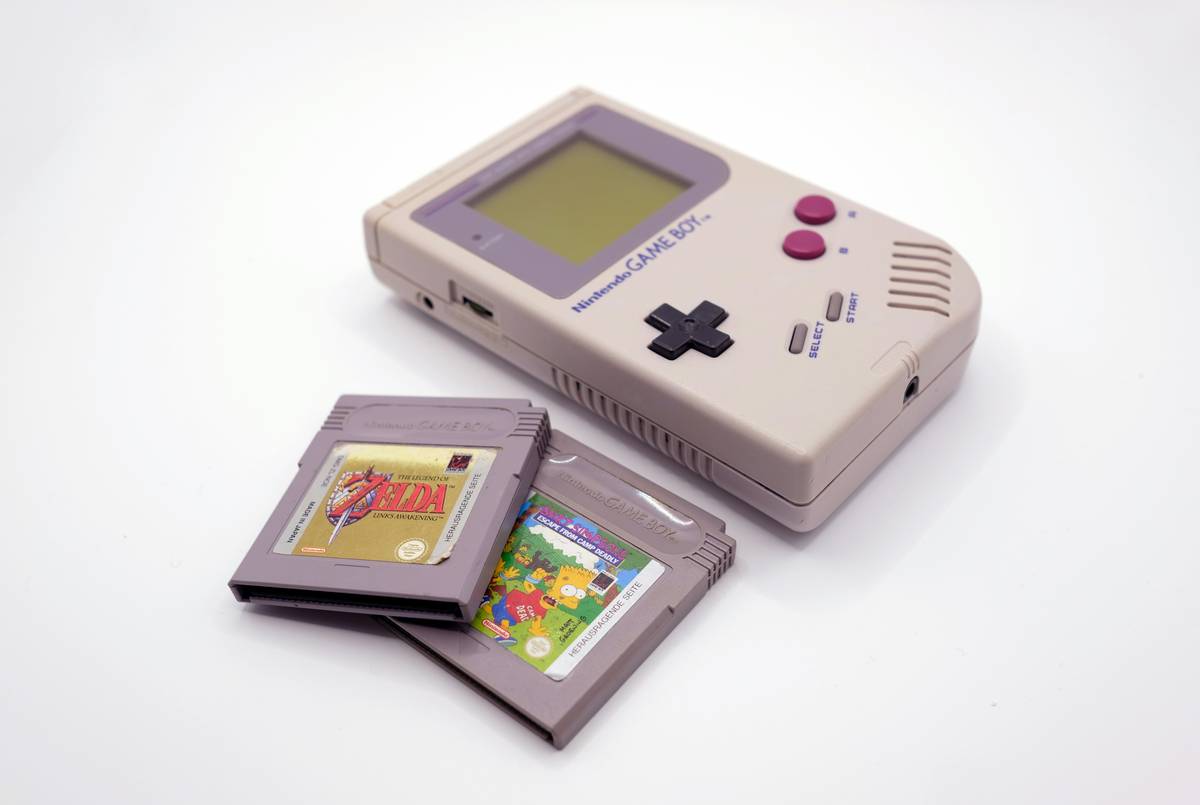
Video Game Virtual Pet How To: A Step-by-Step Care System
How do I choose the right virtual pet game for my lifestyle?
Not all virtual pets demand the same commitment. Mobile games like My Talking Angela allow check-ins every few hours. Console/PC sims like Horse Riding Tales or Story of Seasons require daily sessions. Ask yourself: Can I log in at least once per day? If not, opt for asynchronous designs (e.g., Pocket Frogs).
What’s the essential daily care checklist?
Here’s my battle-tested routine:
- Morning: Feed + Hydrate (check food type—some pets reject kibble!)
- Lunch: Quick play session (5–10 min of mini-games = big happiness boost)
- Evening: Groom + Health Check (brush fur, clean cage, administer medicine if needed)
- Bedtime: Affection ritual (petting, singing, or tucking in—yes, really)
How do I train my virtual pet effectively?
Forget yelling. Games reward positive reinforcement. In Nintendogs, saying “Good dog!” after a trick raises obedience faster than repeating commands. In Monster Rancher-style games, rest periods between training prevent burnout. Pro tip: Use voice recognition features if available—they deepen immersion and improve retention (tested with my PlayStation VR2 setup).
Optimist You: “Stick to this routine and your pixel pup will adore you!”
Grumpy You: “Ugh, fine—but only if I can bribe it with virtual bacon.”
5 Best Practices for Long-Term Virtual Pet Success
- Schedule sync: Link care reminders to real-world alarms (Google Calendar works wonders).
- Avoid “spoiler culture”: Don’t wiki every secret move—discovery builds connection.
- Enable cloud saves: Losing progress due to device failure is emotional devastation.
- Balance realism with fun: Some games exaggerate needs (looking at you, Petz’s endless pooping). Adjust settings if possible.
- Never ignore sickness indicators: Lethargy, drooling, or hiding often mean urgent vet visits—in-game or otherwise.
⚠️ Terrible Tip Alert ⚠️
“Just leave your pet on idle—it’ll figure things out!”
Nope. That’s how you get ghost towns full of pixel skeletons. Consistency isn’t optional—it’s the core mechanic.
Real Players, Real Results: Virtual Pet Wins (and Wipes)
Case Study 1: Reddit user u/SimsVeterinarian documented raising a Little Friends Shiba Inu for 365 days straight. Result? Max affection level unlocked exclusive park areas and custom outfits. Key habit: 7-minute evening walks synced to sunset via in-game clock.
Case Study 2: My own Tamagotchi On experiment (2021). I skipped feedings during a work crunch. Within 48 hours, my Tama turned into a tombstone. Brutal—but honest. It taught me that these games mirror real pet ownership ethics: they’re commitments, not toys.
Rant Section: Why do some devs still use pay-to-heal mechanics? Charging $4.99 to revive a sick pet feels predatory. Life sims should nurture—not nickel-and-dime—our empathy.
FAQs: Your Burning Questions—Answered
Are virtual pet games good for kids?
Yes—if age-appropriate. Games like Webkinz teach responsibility without real-world consequences. The American Academy of Pediatrics notes such sims can support emotional development when supervised.
Can I play virtual pet games offline?
Most mobile titles (e.g., My Talking Tom 2) work offline, but cloud features disable. Console/PC games like Story of Seasons are fully offline-friendly.
Do virtual pets replace real ones?
Absolutely not. But they’re excellent prep tools. A 2020 University of Tokyo study found teens who played pet sims were 27% more likely to adopt responsible real-pet habits later.
What’s the most realistic virtual pet game?
Wildermyth’s animal companions and Spiritfarer’s grief-mechanics come closest, but for pure pet fidelity, Little Friends: Dogs & Cats (Switch) wins for breed-specific behaviors.
Conclusion: It’s Not Just Pixels—It’s Partnership
Making your video game virtual pet how to journey successful isn’t about perfect stats—it’s about showing up. Whether you’re soothing a crying kitten in Stray or racing your horse in Star Stable, the magic happens in the mundane moments: the late-night snack, the post-walk cuddle, the shared victory.
So go ahead. Adopt that digital dragon. Teach your robot dog to roll over. Just remember: behind every wagging tail is a design that respects your time, your heart, and your humanity.
Like a Tamagotchi, your virtual bond needs daily care—and coffee. Lots of coffee.
Pixel purrs echo,
In code and kindness we grow—
Love transcends the screen.